
Alright, Floridians, let's be honest. When someone mentions "winter," most of us picture snowbirds flocking south, maybe a light jacket on a breezy evening, and definitely not shoveling snow. But here in Southwest Florida, even our mild winters can throw a few surprises our way – especially when it comes to keeping our homes cozy.
You might be thinking, "Heating? In Florida? That's just crazy talk!" But trust us, a little preparation for those rare-but-real cold snaps can make all the difference between a comfortable night and a shiver-filled slumber. Let's dive into everything you need to know about keeping warm when our sunshine state decides to play chilly.
You bet they do! While our winters are blessedly short, those occasional cold fronts can send temperatures plummeting into the 30s and 40s overnight. And believe it or not, reliable heating isn't just about your personal comfort (though that's a big part of it!). It's also crucial for:
So, yes, even if your heater only kicks on a few times a year, having a well-maintained system is absolutely essential.
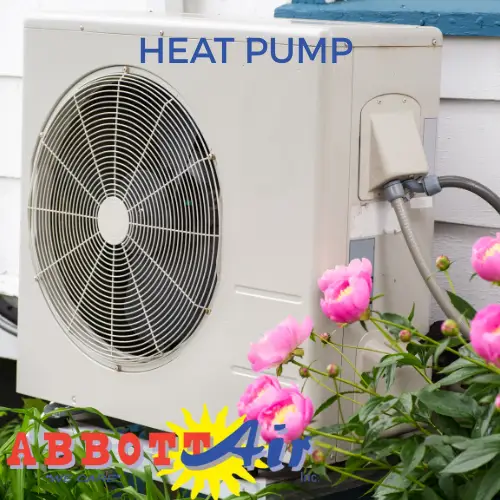
If you're new to Florida or just haven't paid much attention to your home's mechanicals (we don't blame you!), you might be wondering what kind of heating system we even use down here. Drumroll please... it's almost certainly a heat pump!
Unlike our northern neighbors who rely on furnaces, heat pumps are the perfect fit for our mild climate. Why? Because they're incredibly versatile:
So, while gas and electric furnaces are common in North and Central Florida (where winters are longer and colder), you'll rarely find one in a typical Southwest Florida home. They're simply overkill for our conditions.
Take a peek at your thermostat next time you're near it. You might notice a setting or button labeled "Emergency Heat" (sometimes abbreviated as "Aux Heat" or similar). This isn't a magical quick-warm button – it's a backup heating mode built into your heat pump system, and it comes with a big warning label!
"Emergency Heat" is designed for very specific situations:
The catch? It uses a ton more electricity. Like, significantly more. Your heat pump is super-efficient because it moves heat. "Emergency Heat" often relies on electric resistance coils, which generate heat directly and are far less efficient. So, only use it when absolutely necessary, or you'll be in for a shock when your electric bill arrives!

This is one of the most common questions we hear, and it’s a perfectly normal phenomenon for heat pumps! If you're used to the blast of scorching hot air from a traditional furnace, a heat pump can feel a bit... underwhelming.
Here's the deal:
So, if you feel "cool" air, don't panic! It's likely just your efficient heat pump doing its job.
We're all tempted to crank up the heat when a chill hits, but with a heat pump, a gentle touch is best. Here are some recommended settings for our unique climate:
A crucial tip: Avoid the urge to quickly crank your thermostat way up (e.g., from 60°F to 75°F in one go). This often forces your system into "Emergency Heat" mode, which, as we discussed, will send your electric bill soaring. Set it to your desired temperature and let your heat pump gradually bring your home to comfort.
"I barely use my heater, so I don't need to service it, right?" Wrong! This is a common misconception, but even if your heat pump only kicks on a few weeks out of the year, annual maintenance is non-negotiable. Think of it like changing the oil in a car you don't drive much – it still needs attention!
A winter tune-up (or year-round maintenance, which is even better!) helps:
This is especially vital for seasonal residents, rental properties, and vacation homes. Your guests (or you, when you return!) will thank you for a reliable, warm home.
While our cold snaps aren't usually severe enough for major damage, there are a few things to keep in mind:
Eventually, every system reaches the end of its life. If your heat pump is struggling, you'll face the classic "repair or replace" dilemma. The best decision depends on several factors:
Often, upgrading to a new high-efficiency heat pump provides not just peace of mind but also quieter operation, better humidity control, and improved comfort year-round.
To wrap it all up, achieving maximum comfort with minimum cost in our unique Florida winter boils down to a few key elements:
This powerful combination will ensure your Southwest Florida home stays perfectly comfortable, no matter what our mild winter decides to throw our way. So, relax, enjoy the slightly cooler temperatures, and know that your heating system is ready for action – even if it's just for a starring role a few nights a year!
Disclaimer: The information provided on this website' and blog is for general informational purposes only. All information on the blog is provided in good faith, however, we make no representation or warranty of any kind, express or implied, regarding the accuracy, adequacy, validity, reliability, availability, or completeness of any information on the site. We encourage our readers to conduct their own research and due diligence. The website and its authors are not liable for any errors or omissions in this information nor for the availability of this information. Any action you take upon the information you find on this blog is strictly at your own risk. The content may change over time, and some information may become outdated after the time of publication. We are not responsible for the views, opinions, or accuracy of facts referenced in our articles, as they are meant for informational purposes only.
By sharing we can help family and friends that might need future Air Conditioning Services. We are currently working within Venice, Englewood, North Port and surrounding areas with plans to expand further. Please feel free to share from our social media platforms mentions below.
FACEBOOK:
Come join us on Facebook where we share weekly events and happenings. Stay up-to-date with us on Facebook!

INSTAGRAM:
Our brag rights are all posted to Instagram and we hope you will enjoy the photos and reels shared on here!